
Natural and lab-grown · Specializing in GCAL 8X certified diamonds
More diamond for your money. Picked by Richard Arnold, forty years a master jeweler.
To earn GCAL 8X, the top certificate, a diamond has to score Excellent on all eight cut checks. Fewer than 1 in 100 make it. Richard hunts for the ones that do.
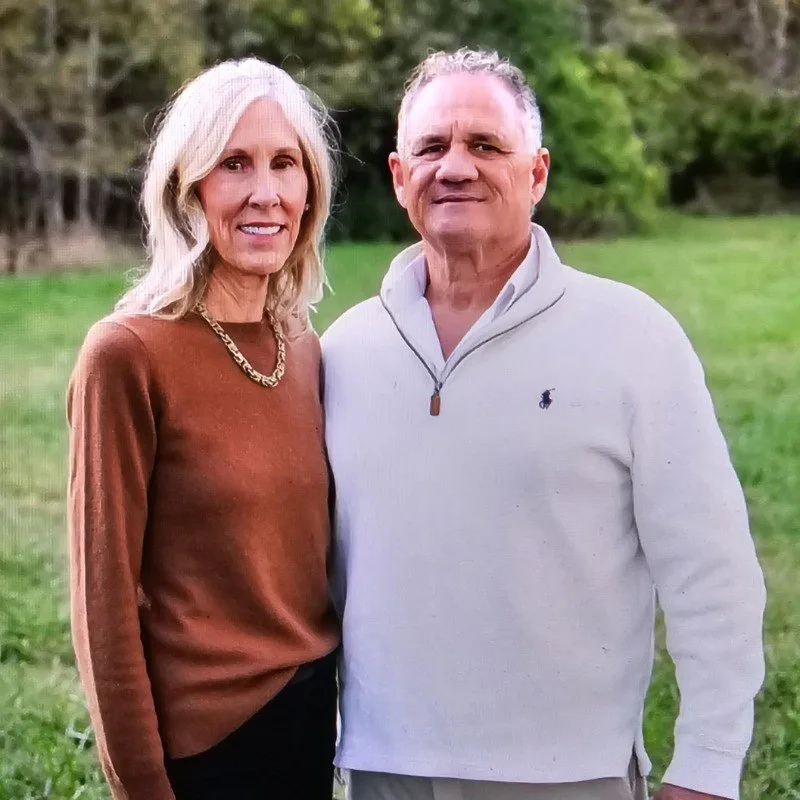
Every stone has to get past Richard first.
16 of his 25 stones are D, the top color grade there is. Every one is VVS2 or cleaner, so even under a jeweler's loupe you'd struggle to find a mark. He'll talk you through any stone before you spend a dollar.
- 40+years a master jeweler
- 2jewelry stores of his own
- 18 of 25stones graded GCAL 8X. What that means
Richard's diamonds
25 lab-grown stones, each one filmed. No stock photos: what you see is the stone itself. Open one to turn it and see its grades, size and report number.
No stones match that shape and size.
GCAL 8X is the top certificate from GCAL (Gem Certification & Assurance Lab, New York). The lab checks a diamond's cut on eight points. To earn 8X, the stone must score Excellent on every one. A single "very good" and it doesn't get 8X.
- Polish how smooth the surface is
- Symmetry how evenly the facets line up
- Proportions the angles and depths
- Brightness how much white light comes back
- Fire the flashes of color
- Sparkle the flashes as it moves
- Optical symmetry how evenly the light comes back
- Hearts and arrows the pattern a perfect round shows (other shapes use the GCAL 8X fancy-shape check)
In plain words: it's cut to get every bit of sparkle out of the stone.
Why an 8X stone costs more
More than half of all round diamonds get an Excellent cut grade. Fewer than 1 in 100 of those qualify for GCAL 8X. That's GCAL's own figure. You're paying for one of the rare ones, and GCAL calls them the most brilliant and beautiful diamonds there are.
What the GCAL 8X certificate guarantees
- Money back if the grades are wrong. GCAL guarantees the carat weight and the cut, color and clarity grades. If they turn out wrong, GCAL pays you the difference in value. Good for two years from the certificate date.
- A real diamond. GCAL guarantees the stone is a genuine diamond, natural or lab-grown.
- Its own fingerprint. GCAL records every diamond's Gemprint, a light pattern no other stone has, so yours can always be identified.
- Check it yourself. Type the certificate number into GCAL's website and see the grades.
- An audited lab. GCAL's methods are checked by outside auditors every year (ISO 17025).
Other labs issue a grading report. GCAL issues a certificate and puts its money behind it. To use the guarantee, you send GCAL the loose stone with your receipt and the certificate.
Jewelry by Richard Arnold
Somebody's going to open that box.
Make sure a master jeweler made what's inside.
Richard picks the stone and makes the piece around it, in any color of gold or in platinum. Tell him who it's for and he'll help you get it right.
- Rings
- Pendants
- Necklaces
- Earrings
- The proposalTell Richard your date. He'll plan the stone and the setting around it.
- The anniversaryTen years in, a bigger stone in a new setting.
- One for yourselfYou don't have to wait for someone else to buy it.
Why lab-grown
-
A real diamond
It's diamond, the same as a mined stone right down to the carbon. Even a jeweler needs a machine to tell them apart.
-
Graded by an independent lab
Every stone comes with a report from GCAL 8X, GIA or IGI. The report number is on each listing. Look it up on the lab's own website. Don't take anybody's word for the grades.
GCAL 8XGIAIGI -
Same money, bigger stone
The money for a small mined stone buys a much bigger lab-grown one, in a top color and clarity. Or buy the same size and put the rest toward the wedding.
What the grades mean, in plain words
- Carat
- Carat is weight: one carat is 0.2 grams. Shape changes how big a stone looks, so each listing also gives its size in millimeters and an outline drawn to scale.
- Color
- Color is graded from D to Z. D, E and F are the top three grades: colorless. Every stone here is one of them, apart from the vivid blue.
- Clarity
- How clean the stone is inside. FL and IF show nothing under 10× magnification. VVS1 and VVS2 have marks so tiny a grader struggles to find them at 10×. To your eye, they look flawless.
- Cut, polish, symmetry
- How well the stone is shaped and finished. This decides how much it sparkles. Excellent is the top grade.
- Grading report
- GCAL (the GCAL 8X lab), GIA and IGI are independent labs. Type a stone's report number into the lab's website to see its grades. More on GCAL 8X above.
- Fancy color
- Colored diamonds are graded on how strong the color is. Fancy Vivid is the most saturated grade.
GIA and IGI, the other two labs
GIA
Gemological Institute of America. The non-profit lab that created the D-to-Z color scale and the clarity grades every jeweler uses. The best-known name in grading.
IGI
International Gemological Institute. It grades more lab-grown diamonds than any other lab, with offices around the world.
Already gone
Ask Richard what he's got like it.
Questions people ask
Is a lab-grown diamond a real diamond?
Yes. It's the same crystal as a mined stone and the same labs grade it. If anyone asks whether it's real, the answer is yes.
How long does a setting take?
Usually a few weeks, depending on the style. If you have a proposal date, say so up front. He'll tell you whether it can be ready in time.
How do I pay?
Card, cash or bank transfer.
Is there a warranty?
Ask Richard what's covered on your piece before you pay.
See it before you buy.
You should. Text the stone's number and Richard will have it out on the table, with its report, when you arrive.
How buying works
- Pick a stone and tap "Text Richard about this stone". The text tells him which one.
- Call or text Richard. He'll confirm it's still here.
- See it in person, by appointment.
- Take the loose stone, or have Richard set it.
- Call or text
- Hours